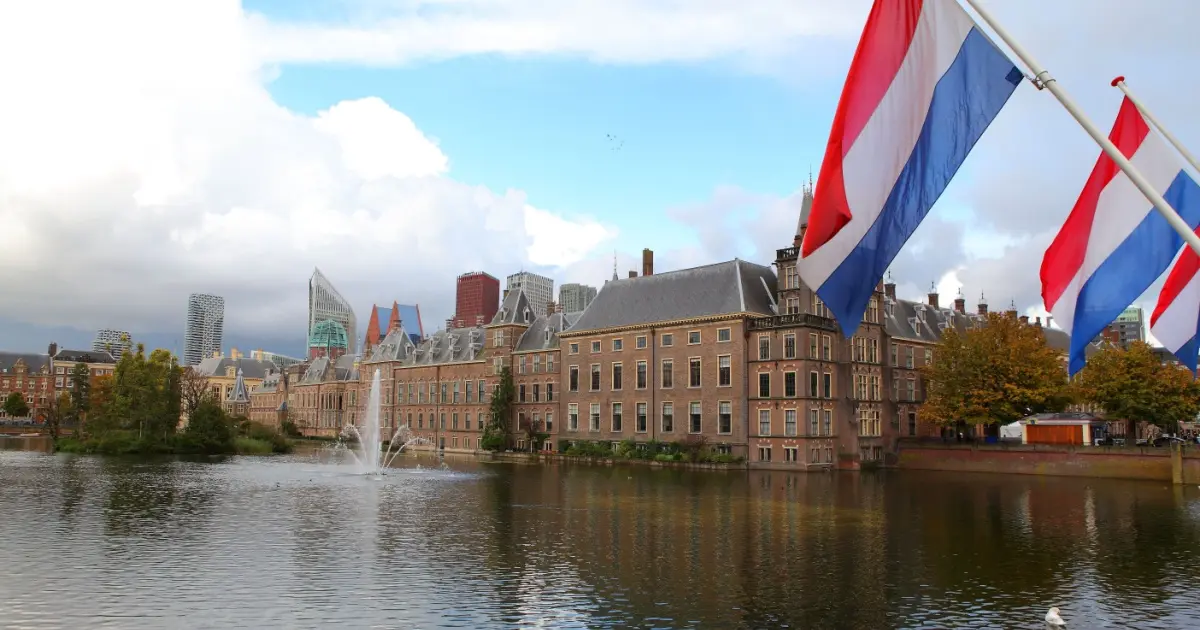
Netherlands to Double Citizenship Residency Requirement
The Dutch government has unveiled plans to significantly toughen its citizenship rules, doubling the minimum residence requirement for immigrants from five years to ten years.
If the proposal becomes law, foreigners will need to prove a decade of uninterrupted residence in the Netherlands and demonstrate that they are “fully integrated” before being granted Dutch nationality.
State Secretary Arno Rutte defended the plan, saying:
“By extending the naturalisation period from five to 10 years, we ensure that people have a stronger bond with our Kingdom, are well-integrated, and can fully participate in society before they become Dutch citizens.”
What Will Stay the Same?
The current conditions for naturalisation will not change. Applicants will still be required to:
- Pass a civic integration exam.
- Demonstrate basic Dutch reading, writing, and speaking skills.
- Sign a declaration accepting Dutch laws and values.
Political Context
The move comes at a time of political turbulence. The Netherlands is preparing for a snap election after the collapse of the four-party coalition government, which had been struggling to deliver on promises of stricter asylum controls.
Far-right leader Geert Wilders, whose Freedom Party won the 2023 election but later left the coalition, had pushed for some of the harshest immigration measures in Dutch history, including:
- A four-year freeze on asylum claims.
- A ban on Islamic schools.
Although polls show his party holding a slight lead over the Left-wing PvdA/GroenLinks alliance, Wilders’ chances of returning to government look slim as former allies are unlikely to join him in a new coalition.
Broader European Trend
Experts say the Netherlands is not alone in moving toward tougher immigration rules. Across Europe — in Austria, Sweden, France, and Belgium — mainstream parties are tightening policies in response to pressure from the far-right.
Meghan Benton of the Migration Policy Institute Europe explained:
“All of the immigration policies being made by mainstream parties today are done in the shadow of the far-Right.”
Parallels in the UK
The Dutch proposal mirrors developments in the UK. Home Secretary Shabana Mahmood recently announced plans to extend the qualifying period for Indefinite Leave to Remain (ILR) from five to ten years. The UK government also plans to introduce compulsory digital IDs to combat illegal work and undocumented migration.
The opposition Reform UK party has gone even further, promising to scrap the five-year ILR route entirely if it comes to power.
Digital ID Moves Elsewhere
Meanwhile in Switzerland, voters narrowly backed a government-run voluntary digital ID scheme, with just 50.4% voting in favour. A similar plan was rejected in 2021 over privacy concerns.
For more details please contact my team. Thanks Regards
+91 93604 54326